
Spring Gutter Checklist for Utah Homeowners
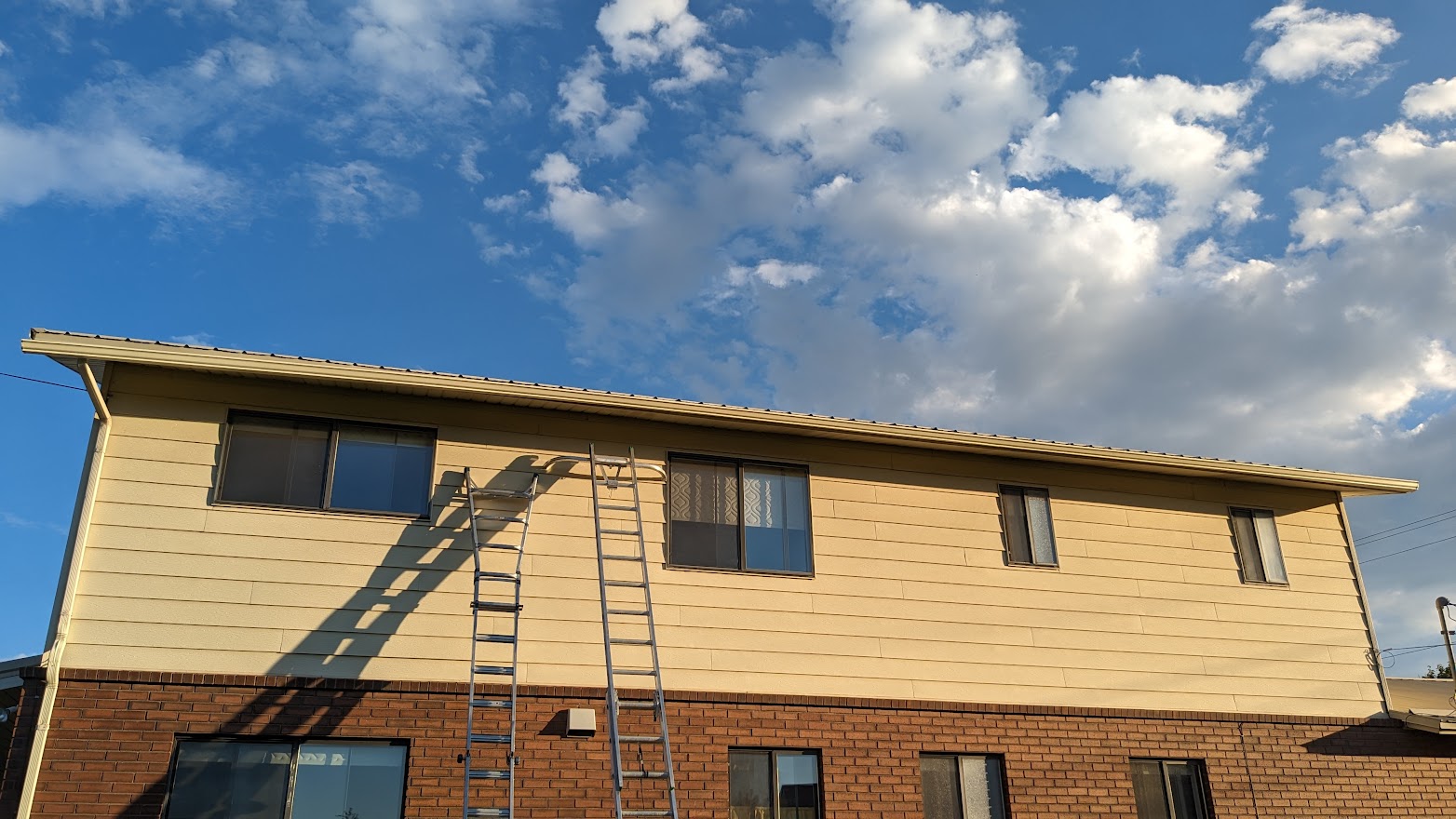
Spring arrives differently in Utah than almost anywhere else in the country. By late March, you might have warm, sunny afternoons - and then wake up to six inches of snow the next morning. That freeze-thaw cycle is hard on everything, but it’s especially rough on gutters.
Before the cottonwood seeds start flying and spring storms roll in, a focused gutter inspection can save you from water damage, foundation problems, and expensive repairs. Here’s exactly what to check.
Why Spring Is the Critical Window
Utah winters put gutters through a lot: heavy wet snow packs against fascia boards, ice dams force water under shingles, and repeated freezing expands every existing crack or loose joint. By the time the ground thaws, your gutters may be holding sediment, shingle grit, and leftover debris from last fall - just in time for snowmelt and April rain to come flooding through.
Utah-specific timing: Northern Utah’s heaviest spring rainfall typically runs April through mid-May. Get your inspection done in late March or early April - before the busy season hits and before cottonwood seed production (May–June) packs your gutters all over again.
The Full Spring Checklist
1. Check for Ice Dam Damage
Ice dams are the number-one cause of gutter damage in Utah. Heavy roof loads can pull gutters away from the fascia, bend hangers, or crack seams at corners.
Walk the perimeter and sight down each gutter run - they should be straight with a slight downward pitch toward the downspout.
Look for sections that sag, pull away from the fascia, or have visible gaps at the roofline.
Check all corners and end caps for cracks or popped seams - ice expansion is hard on these joints.
2. Inspect and Re-Secure Hangers
Gutter hangers take the full weight of ice and snow. A pulled or bent hanger won’t fix itself, and a sagging gutter is a pooling problem waiting to happen.
Push up gently on each gutter section - it should feel solid, not springy or loose.
Look for hangers spaced more than 24–36 inches apart (they can shift over time). Closer is better for snow country.
Replace bent or pulled-out hangers with heavy duty Reel Good Gutters premium hangers.
3. Clean Out Winter Debris
Even if you cleaned in the fall, winter blows in additional debris: broken twigs, windblown seeds, shingle granules, and roof moss or algae that washes off in snowmelt.
Scoop out any accumulated debris by hand (gloves on) or with a gutter scoop.
Pay extra attention to corners, downspout inlets, and areas under valleys in the roofline.
Note heavy shingle granule buildup - it’s a sign of aging shingles and may indicate a roofing conversation is coming.
Be careful! Working on gutters and your roof is a dangerous job — call Reel Good Gutters and have us give you a cleaning quote!
4. Flush Downspouts
A downspout clogged at the elbow is invisible from the ground. The only way to know is to test it.
Run a garden hose at full pressure from the top of the downspout. Water should exit freely at the bottom within a second or two.
If water backs up, insert a plumber’s snake or use hose pressure with a rag stuffed above the blockage to force it loose.
While flushing, watch the gutter channel for areas where water ponds instead of flowing - this reveals low spots that need re-pitching.
5. Check Downspout Extensions and Drainage
Where the water goes after it leaves the downspout is just as important as the gutter itself. Many foundation moisture problems trace back to a missing or short extension.
Extensions should direct water at least 4–6 feet away from the foundation (longer on flat lots).
Check that the ground slopes away from the house - winter freeze can heave soil and alter grading.
6. Inspect Seams, Joints, and Sealant
The seams between gutter sections and at inside corners are sealed with caulk or gutter sealant. Freeze-thaw cycling breaks this down over time.
Look for visible cracks, gaps, or rust staining along seams - rust streaks running down the fascia board are a telltale sign.
Run the hose while watching seams from below - even a small drip under a joint will be obvious.
Reseal with a high quality elastomeric gutter sealant or silicone after thoroughly drying and cleaning the area.
7. Check Fascia Boards for Rot
Overflowing gutters saturate fascia boards, and Utah’s freeze-thaw cycle accelerates rot. A rotted fascia can’t hold hanger screws - which means the gutter will eventually fall.
Poke the fascia board with a screwdriver in areas where the paint is bubbling, peeling, or discolored. Soft spots indicate rot.
Early-stage rot (soft but intact) can sometimes be stabilized with wood hardener; advanced rot requires fascia replacement.
Fascia repair almost always needs to happen before a gutter replacement to give the new gutters a solid substrate.
8. Inspect Gutter Guards (If Installed)
Winter can dislodge, crack, or clog gutter guards - especially foam inserts and lower-grade snap-in covers.
Check that guards are still seated flush and haven’t been lifted or shifted by ice.
For micromesh guards, rinse from above with a hose, or below with an angled broom. Shingle grit can temporarily clog the mesh and reduce flow.
If you have foam inserts, check for mold, algae, or embedded debris - foam is especially prone to this after wet winters.
Warning Signs That Go Beyond DIY
Most spring maintenance is within reach for a careful homeowner with a stable ladder. But some findings call for a professional.
Call Reel Good Gutters if you find: gutters that have pulled completely away from the fascia, fascia rot extending more than a few boards, consistent low-spots that won’t drain (indicating the gutter needs re-pitching), cracks or splits in aluminum sections, or downspouts that drain toward the foundation with no practical extension solution.
These issues are structural, not cosmetic. A patch-and-hope approach usually ends with a much larger repair bill after the next heavy rain.
A Note on Utah’s Cottonwood Season
If your home is anywhere near cottonwood trees - and in the Wasatch Front, many are - block your calendar for a second cleaning in late May or June. Cottonwood seeds are extraordinary at packing gutters solid in just a few days. Gutter guards help, but even micromesh requires a quick rinse after a heavy seed drop.
Keep It Simple: Spring + Fall
The homeowners we rarely hear from are the ones who commit to two cleanings a year: one in spring (this checklist) and one in late fall after the leaves drop. Everything else - gutter guard installations, repairs, re-pitching - is something we handle so it doesn’t come back every season.
If you’d rather not be on a ladder at all, give us a call. We serve all Northern Utah counties - and a spring inspection is a fast, affordable way to start the season right.
Need gutters, repairs, or a free estimate? We're ready.
Contact Us Today →